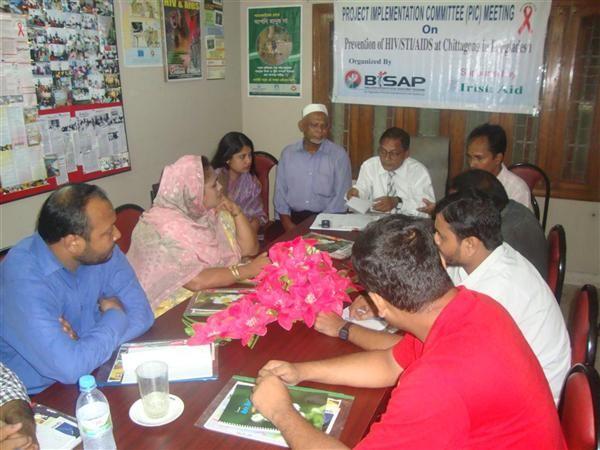
Bangladesh Institute of Social Advancement Programme (BISAP) successfully implemented a comprehensive 3-years project on the “Prevention of HIV/STI/AIDS” within the Chittagong City Corporation an initiative that made a remarkable difference in the lives of hundreds of thousands of vulnerable people in one of Bangladesh’s most dynamic and complex Urban Environments.
ChittagongBangladesh’s Second-largest City, Home to the Country’s Largest Seaport and a rapidly expanding Urban-Industrial base is a vibrant yet highly vulnerable hotspot for public health risks, especially Sexually Transmitted Infections (STIs) and HIV/AIDS. The City is home to a diverse population including a large concentration of Garment Workers, Migrants & Refugees (notably Rohingya and others in Urban Settlements), Slum Dwellers, Day Laborers, Transport Workers, and Port Laborers many of whom live and work in high-risk conditions with limited access to Sexual and Reproductive Health Services.
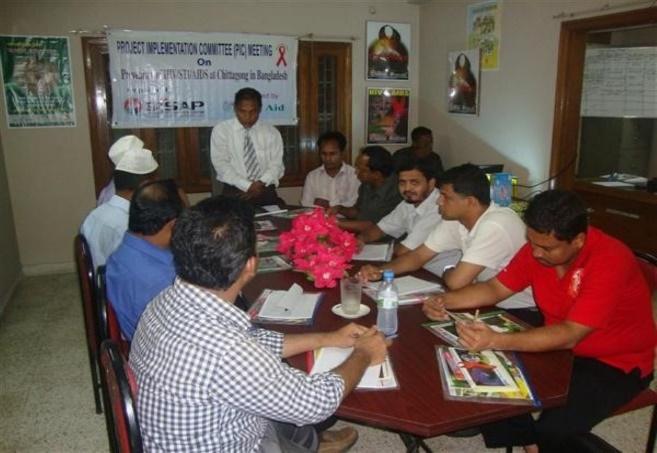
This project, grounded in community awareness, inclusive Health Education, and Behavior change interventions, directly benefited 89,497 people and indirectly reached over 536,982 individuals. Its comprehensive, people-centered approach has significantly contributed to reducing vulnerability, dispelling stigma, and empowering communities to adopt safer health practices.
🔶 Focused Reach to High-Risk Groups
The project targeted and successfully engaged multiple at-risk groups. These included:
- Garment workers (especially women)
- Urban Migrants & Refugees and Slum Dwellers
- Port Workers and Shipping Crews
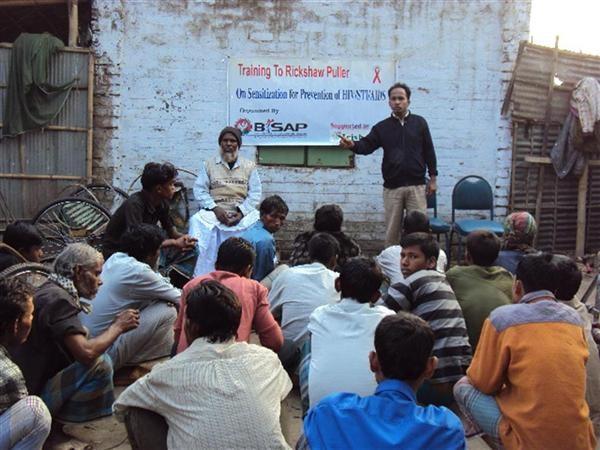
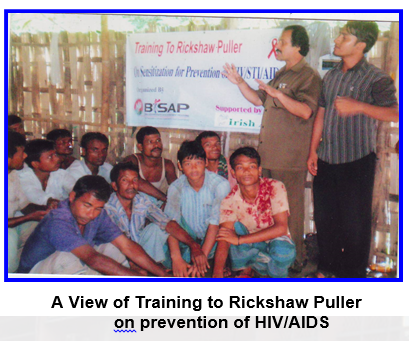
- Transport Workers (Truckers, Rickshaw/Van Pullers, and Automobile Drivers)
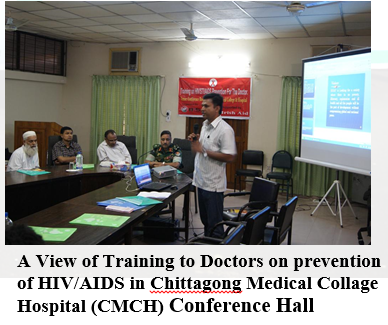
- Healthcare service providers, Paramedics, and Diagnostic personnel
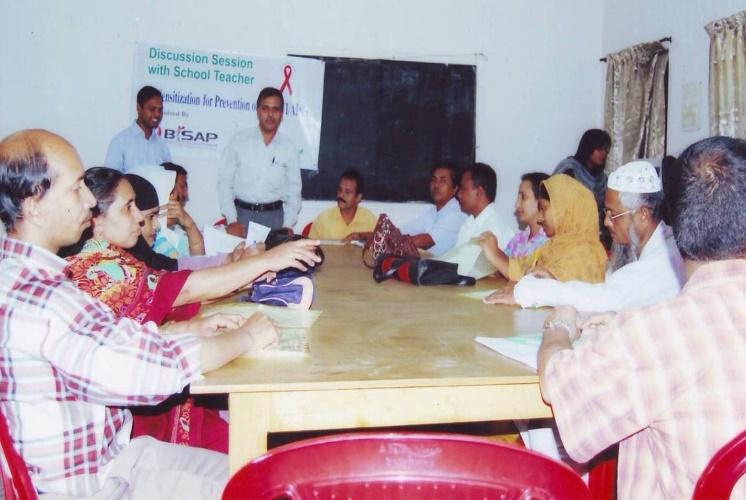
- Religious Leaders, Teachers, and Students
- Business Communities and Mill & Factory workers
- Drug users and Sexual Minorities
- Community Leaders, Day Laborers, and Port Workers.
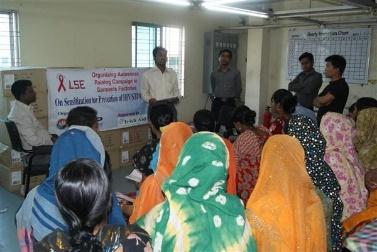
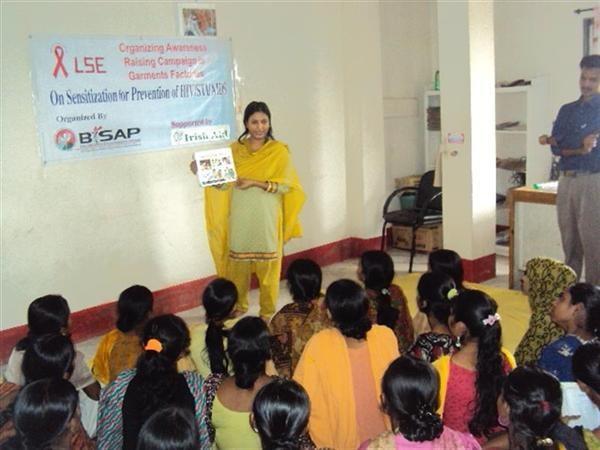
In Chittagong’s ever-expanding Garment Sector—where female workers dominate and face added vulnerabilities such as poor working conditions, low wages, limited education, and exploitation—BISAP’s intervention was especially significant. These women were educated about reproductive Health, Sexually Transmitted Infections, and safe practices through focused group discussions, community sessions, peer educator programs, and clinical services. Over the three years, 89,497 of beneficiaries reported increased knowledge and confidence in protecting their health and rights.
Life-Changing Community Awareness and Behavior Change:
Prior to the intervention, widespread misinformation, cultural stigma, and lack of access to credible health services posed serious barriers to effective HIV/STI prevention. Through BISAP’s mobilization efforts, these barriers were gradually dismantled.
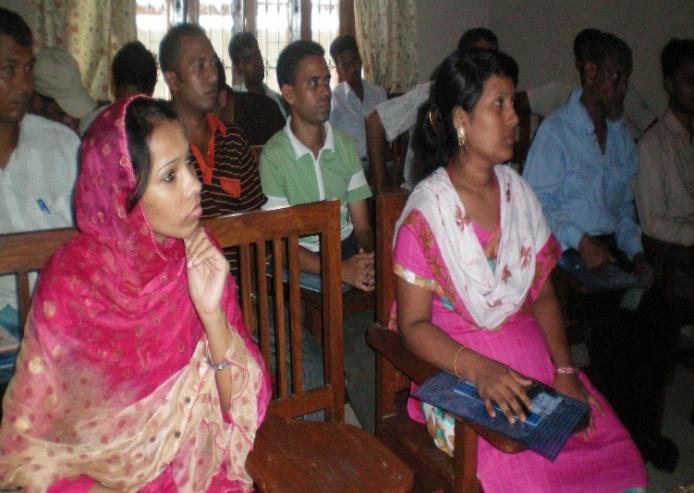
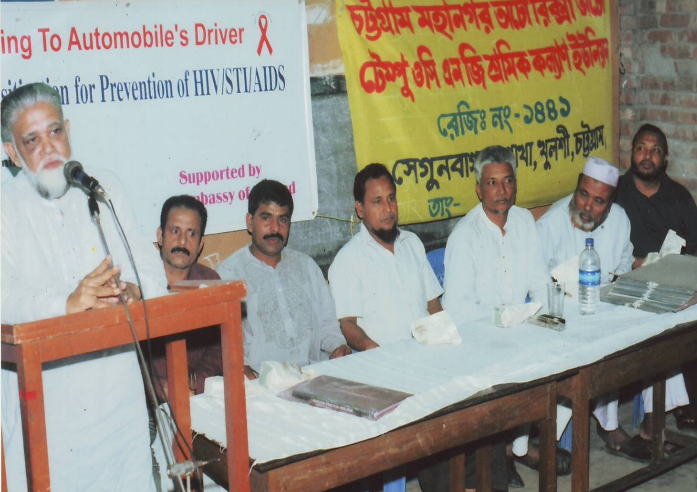
Community awareness sessions, Street Dramas, Public Rallies, Leaflets, and Interpersonal Communication Campaigns helped normalize conversations around HIV/AIDS and Sexual Health. More than 2000 Community Awareness Meetings and over 3000 peer-led Education Sessions were held, involving men and women from Transport Unions, Factories, Slums, and Urban Settlements.
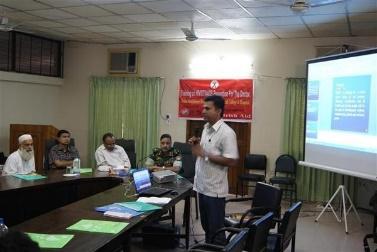
These interventions created a ripple effect: hundreds of trained Community Leaders, Religious Scholars, and Students & Teachers began disseminating accurate information, advocating for Healthy Behaviors, and referring individuals to screening and counseling services. The inclusion of Port Workers, Truck Drivers, Rickshaw & Van Puller, Transport Driver and Day Laborers—who often travel or engage in risky behaviors due to occupational nature ensured comprehensive outreach to transient populations.
🔶 Integrated Health Services and Linkages:
To provide accessible and confidential services, the project established Mobile Clinics and Partnered with Local Diagnostic Centers and Health Facilities. Over 25,000 individuals received HIV and STI screenings. Many were referred to Government & Non-Government Health Institutions and NGOs for further testing, treatment, and counseling.
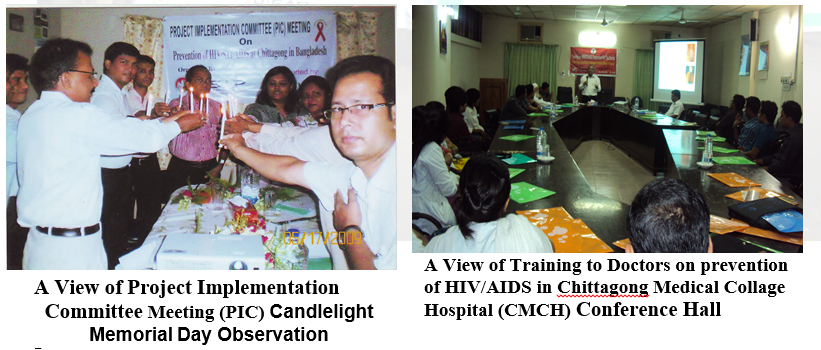
Health workers, Nurses, and Paramedics were trained on syndromic management of STIs, stigma-free service provision, and counseling. As a result, not only did more people come forward for testing and treatment, but the local health ecosystem itself grew more responsive and inclusive.
🔶 Impact among Refugees and Urban Settlements:
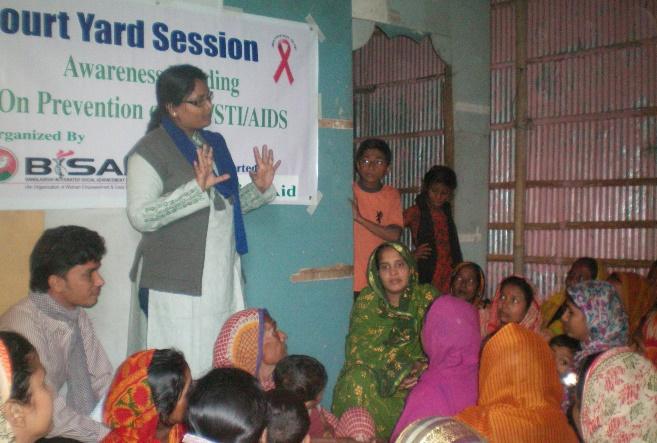
Chittagong’s population includes displaced and marginalized Refugee & Migrants, Communities who often lack legal status, stable income, and access to health care. In collaboration with community-based organizations, the project conducted targeted outreach in Refugee settlements and Slum Clusters, where over 15,000 individuals directly benefited from counseling, testing, and referrals.
This segment of the population, which is typically invisible in mainstream programs, was empowered to learn, lead, and access life-saving services. Women and Adolescents in these communities were particularly responsive to the information shared through culturally sensitive education sessions and Female-led Peer Networks.
🔶 Mobilizing Coastal and Port Workers:
As the economic hub and largest seaport of the Country, Chittagong’s Port Community includes thousands of Coastal and Shipping workers, Seafarers, and Laborers—groups often exposed to risky behavior due to long hours, isolation, and limited healthcare outreach.
BISAP tailored awareness drives, night-time sessions, and free clinical checkups at docks and port-adjacent areas to address this specific demographic. Working with Port Authorities, Transport Unions, and Labor Associations, the project ensured that HIV and STI prevention messages reached these hard-to-access segments—making notable reductions in myths, fear, and unsafe behaviors.
🔶 Youth and School Engagement:
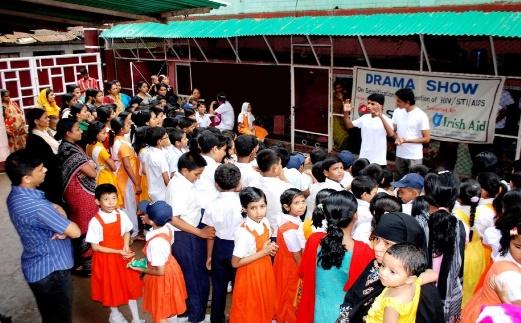
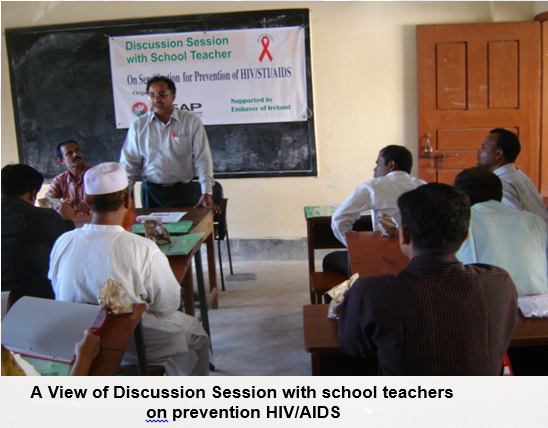
Recognizing the potential of young people as change agents, the project organized over 300 school-based awareness sessions for students, teachers, and guardians. These sessions incorporated modules on reproductive health, safe practices, and respect for personal boundaries, creating a generation of informed adolescents better prepared to navigate social and health challenges.
🔶 Legacy and Sustainability:
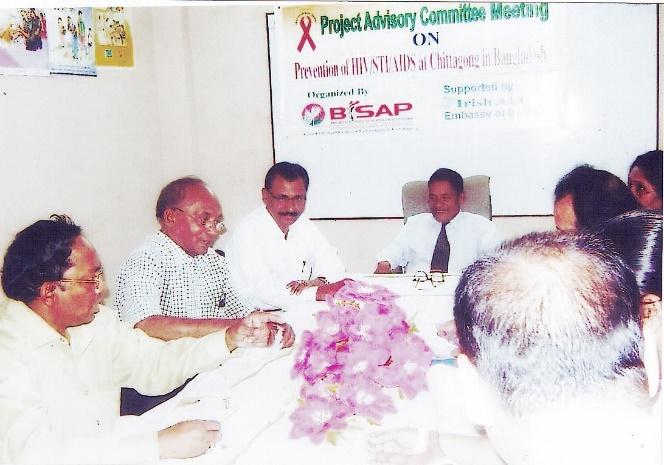
One of the project’s most lasting impacts has been the strengthening of local capacity. Through partnerships with community leaders, local health professionals, educational institutions, and religious leaders, the project created a network of advocates who continue to promote safe behaviors and serve as referral points for information and services.
Transport Unions, Garment Factories, and Religious Institutions were sensitized and brought into the fold ensuring ownership, sustainability, and ongoing impact even after the project period.
Measurable Outcomes
- 89,497 people directly accessed awareness, screening, and referral services.
- 536,982 individuals indirectly benefited through outreach, campaigns, and peer networks.
- Over 25,000 individuals tested for HIV/STIs.
- More than 2000 awareness meetings and 3000 peer sessions held.
- Significant increase in knowledge levels among target groups (as per project evaluation surveys).
- Reduction in stigma, unsafe practices, and increased use of health services among garment workers, transport workers, and refugees.
The Prevention of HIV/STI/AIDS project by BISAP in Chittagong has created a transformative impact on the lives of high-risk and marginalized groups in one of Bangladesh’s most strategic urban centers. By combining community engagement, targeted education, healthcare access, and strategic partnerships, the project not only improved knowledge and behavior but also empowered communities to take control of their health.
BISAP’s model of integrated, inclusive, and locally-driven health intervention stands as a replicable success for other port cities and urban-industrial regions across the country and beyond.