
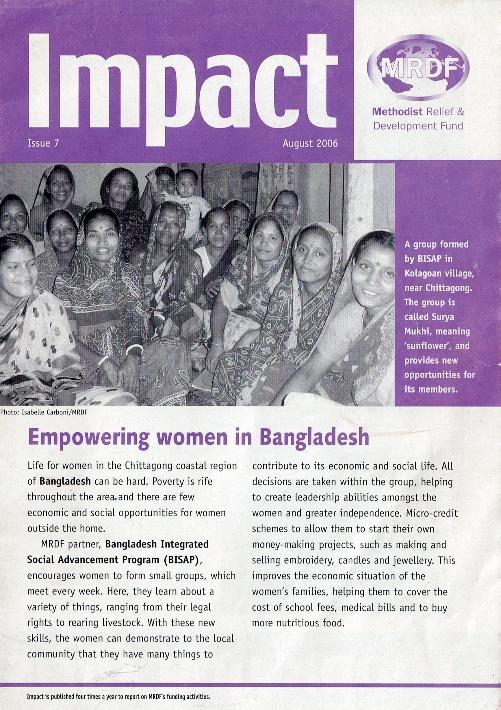
With the generous support of MRDF-UK, BISAP (Bangladesh Integrated Social Advancement Programme) successfully implemented the project titled “Women Empowerment Programme for the Alleviation of Poverty and Hunger in the Chittagong Coastal Region.” This transformative initiative was designed to empower the distressed and powerless especially vulnerable Women to achieve self-reliance and socio-economic independence.
The programme, which ran from 1st July 2007 to 30th May 2008, focused on organizing and empowering 1,000 distressed and marginalized women into 50 vibrant groups, building upon where 1000 women were organized into 50 groups. The project’s holistic approach sought to uplift these women from poverty, enhance their physical quality of life, and establish their rightful place in society.
Executive Summary
The programme was implemented across 13 villages under 2 Unions of Patiya Upazila in Chittagong District.
Goal of the Project
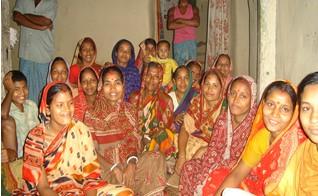
To enable 1,000 organized women across 50 groups to break the Cycle of Poverty and Hunger by Strengthening their Socio-economic status through Skill Development Training, Entrepreneurship, Federation Building (People’s Organization), Resource mobilization, Leadership Development, Social Afforestation, and collective empowerment, leading towards long-term sustainability and resilience.
Objectives
- Activate group dynamism by enhancing leadership, decision-making, and financial management skills.
- Strengthen people’s institutions and build collective strength.
- Enhance Human Potentialities through targeted Training in knowledge, Skills, and collective action.
- Expand employment opportunities and Federation Building (People’s Organization)
- Promote improved Health, Nutrition, and Family Planning Awareness.
- Foster Human Rights Education, Women’s Rights Advocacy, and the Promotion of Democratic Values.
- Advocate to reduce violence and exploitation against women through unity and collective voice.
- Improve Gender relations within families and communities.
- Promote Home-based Social Afforestation for Ecological Balance and Additional Income generation.
- Equip Group Leaders for advocacy and resource mobilization with Government and Non-Government Agencies.
- Ensure ongoing supervision, monitoring, reporting, and quality improvement for maximum impact.
Key Programme Components and Achievements
Group Formation and Social Mobilization
- 50 Groups comprising 1,000 Women were organized for their growth and development.
- Weekly Group meetings Entrepreneurship Development, and Local resource mobilization in favor of their rights and control over resources.
- Focused discussions were held on critical topics: Gender Equity, Women’s Rights, Family Welfare, Health, and Community issues.
- All groups maintained Resolution Books, Cash Books, Savings Registers, and individual Passbooks.
Activation of Group Dynamism and Social Awareness
- Intensive motivation sessions by Group Organizers emphasized Women’s Participation in Development Processes.
- Issue-based Education covered Arsenic Contamination, Human Rights, Environmental Hygiene, Immunization, and Preventive Health Care.
- Women’s participation in decision-making processes at family and community levels increased significantly.
Capacity Building through Training
- Training of Trainers (ToT) was conducted for Staff on Federation Management, supported by experts from reputed NGOs (CODEC, CARITAS, NGO Forum, CARE Bangladesh).
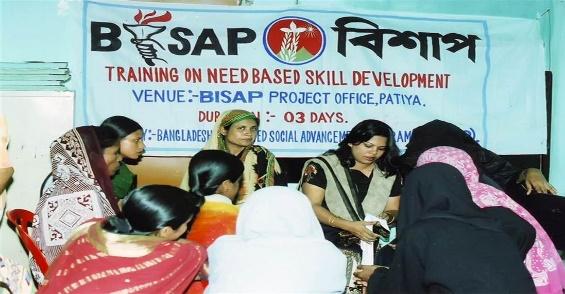
- Training for Group Members and Leaders strengthened Skills in Leadership, Financial Management, Advocacy, and Rights Awareness.
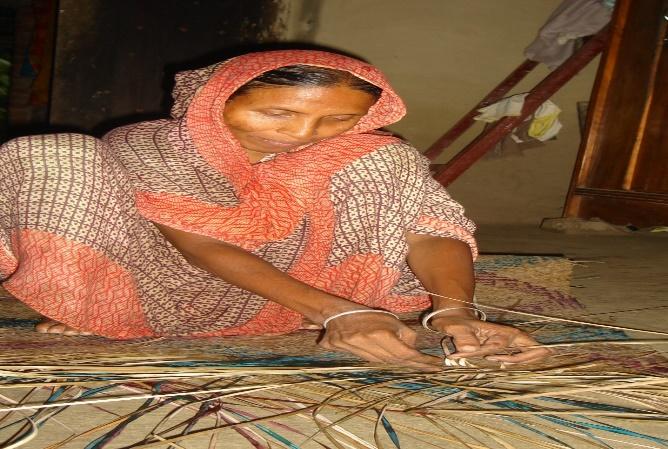
Impact of Training:
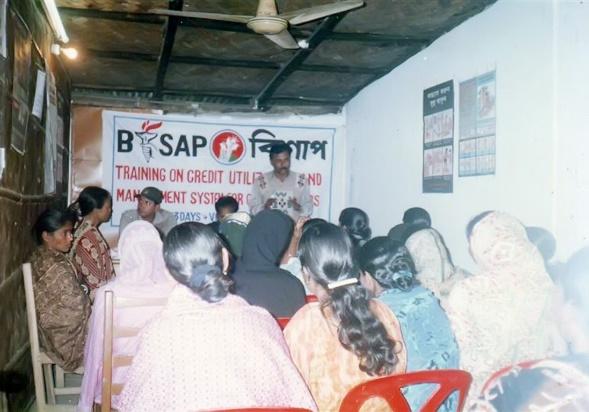
- Women now independently manage Group Accounts and Maintain Records.
- Leadership qualities have flourished, with Women confidently speaking against Social injustices like Dowry and Domestic Violence.
- Health and Nutrition Practices have improved significantly.
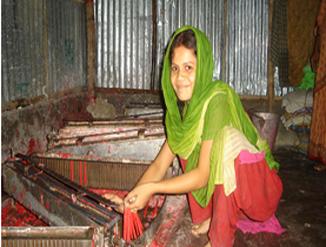
- Women have initiated Small Businesses and Entrepreneurship development.
- School Enrollment among Children has risen.
- Women are actively participating in joint ventures and Federation Building Activities.
Motivating Greater Solidarity and Federation Building
- Federation Building (People’s Organization) was promoted to enhance collective strength and resource mobilization.
- Staff continuously motivated Organized Groups, culminating in the Development and Circulation of a Federation By-Laws.
- Women Displayed growing enthusiasm for Building Federations, seeing it as a path to sustainability and dignity.
Strengthening Coordination and Monitoring
- Regular Monthly Staff Coordination Meetings ensured activity review, Problem-solving, and Future Planning.
- Reports were compiled and submitted to leadership for strategic actions.
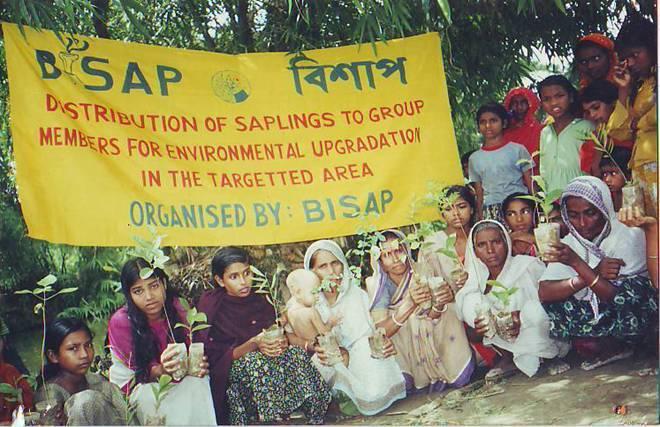
Promoting Environmental Stewardship
- Distribution of Saplings (Fruit, Fuel wood, Timber) to promote Home-based Social Afforestation initiatives, providing both Environmental and Financial benefits.
- Regular Training Sessions encouraged proper care and Nurturing of Saplings.
Fostering Community Cohesion
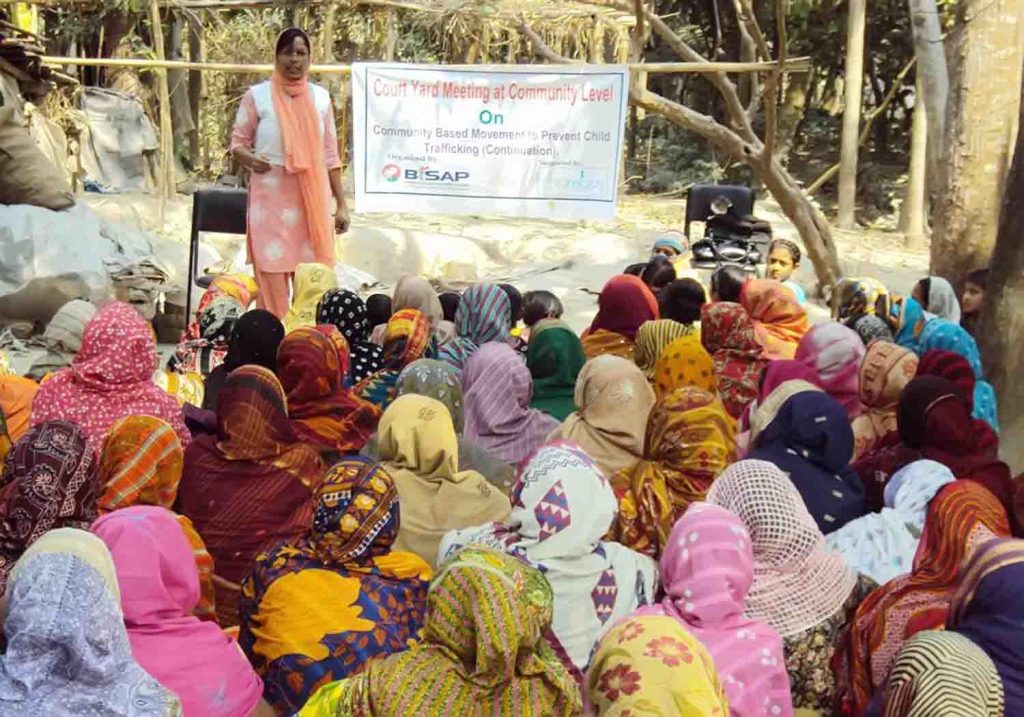
- Community Leader Get-togethers fostered understanding, trust, and collective spirit among organized women and broader communities.
- Increased Local Leadership support enhanced programme outreach and acceptance.
Enhancing Stakeholder Participation
- Group Members (Chairperson, Secretary, Treasurer) played active roles in Planning, Implementing, and Monitoring Activities.
- Decision-making was Democratic and Participatory, ensuring grassroots Ownership of the programme.
Preparing for the Future

The project was designed to be need-based and People-centric, building the beneficiaries’
- Capacity for future Self-reliance.
- Organized Women are now equipped to mobilize resources Independently and Advocate for their communities effectively.
Collaboration with Government and Other Stakeholders
- BISAP actively participated in Local and Regional Coordination Meetings with Government Bodies and NGOs.
- Regular Engagement during National/International days, Seminars, and Events strengthened linkages and support networks.
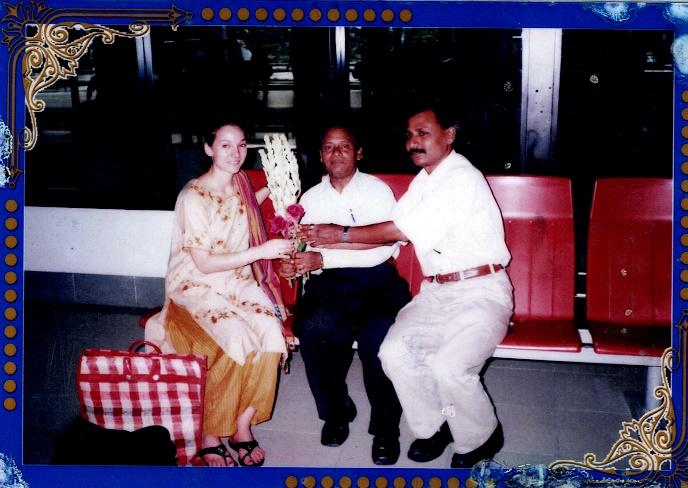
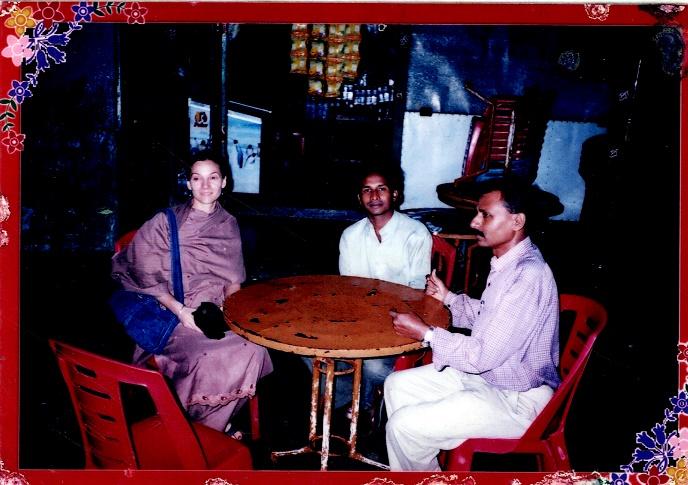
Visiting Ms. Isabelle Carboni of MRDF Programme Officer is seen with BISAP’s Official just after arrival from U.KConclusion
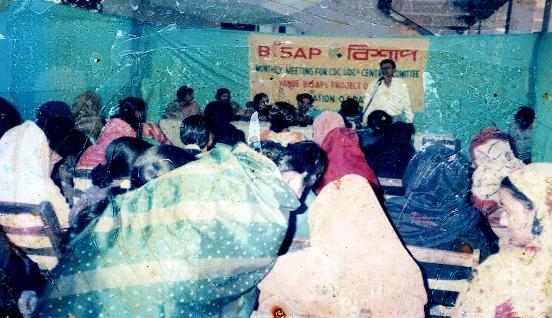
empowering Coastal Women
The Women Empowerment Programme in the Chittagong Coastal Region stands as a remarkable testimony to the resilience and potential of marginalized Women when given access to Knowledge, Resources, and Opportunities. Through this initiative, 1,000 women have embarked on a journey of transformation moving from the margins of Society toward Leadership, Self-reliance, and Socio-economic Independence.