
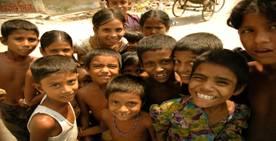
Urban Slum of Chittagong City Cooperation
To Reduce the number of Hazards Child Labor of Chittagong Metropolitan Area through direct interventions aiming at the withdrawal, social protection and rehabilitation of at least 3480 Children in a time – bound and systematic manner. The prime strategy of the program is to identify target Children, their families and workplaces physically at the program area by referring to the database prepared from the Household-level Baseline Survey conducted by the EHCLB Project.
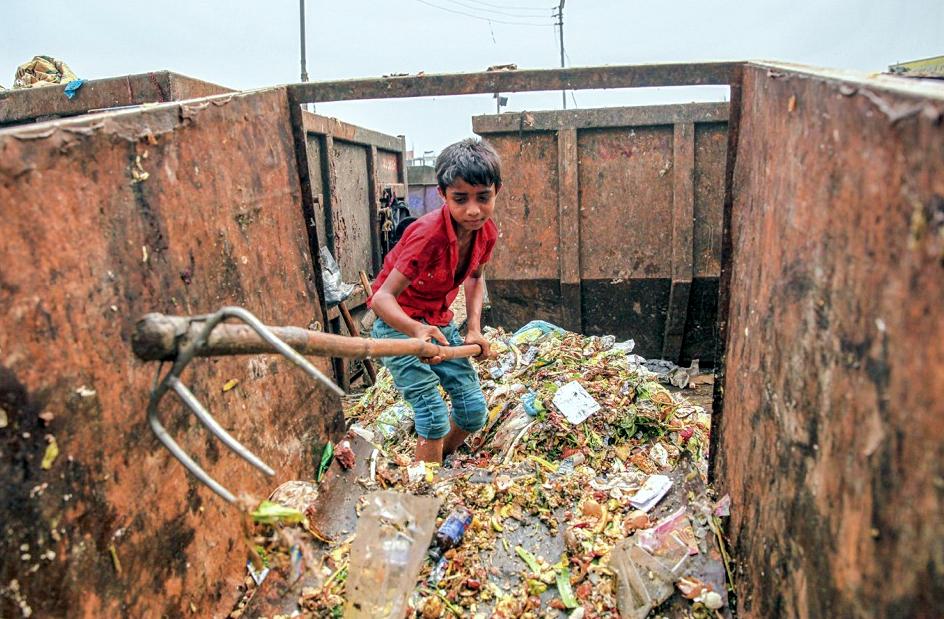
Additionally, BISAP have developed a “Social Mapping” of the Children and their families by Hazardous sectors and their place of residence.
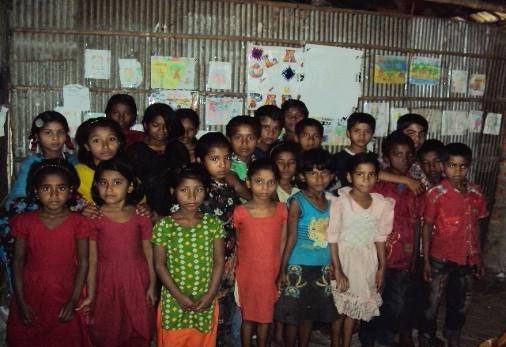
In order to provide Non-formal Education to 3480 Children aged 10-14 years, 116 NFE Centers have established. The NFE will preferably be closed to the workplace of working children as well as nearer their Homes. Each Center have established accommodate about 30 children per batch/class with two shirts, providing education for 3 hours a day for 24 months.
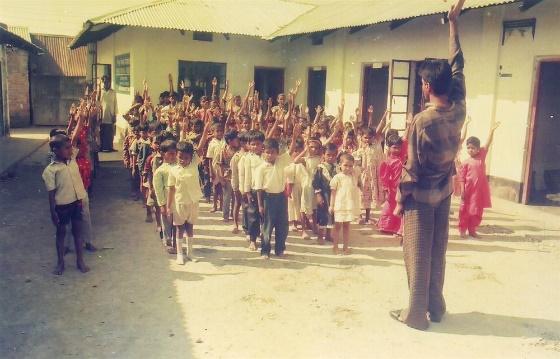
The total numbers of Teacher was 116. The Teacher have imparted Non-formal Education Recreational Activity, Skilled Development Training, Counseling with their Parents and were responsible for visiting the Children’s house.
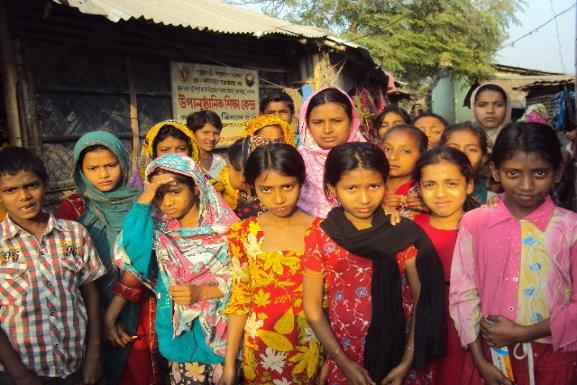
Skill Development Training programs was conducted in coordination with local partner organizations working in the area and in close consultation with the service providing institutions Department of Youth Development. For each Trade one Instructor were recruited on contract basis. As for example for Candle making an Instructor was recruited for 15 days only whereas for Tailoring expert were recruited for 5 months.
by BISAP where Participation of students, Guardians Programme Staff
BISAP has successfully implemented the “Eradication of Hazardous Child Labour in Bangladesh (EHCLB)” project, supported by Ministry of Labour & Employment (GoB)-ILO from 2012-2013 a comprehensive initiative aimed at withdrawing children from Dangerous Working Environments and restoring their right to education, safety, and dignity.
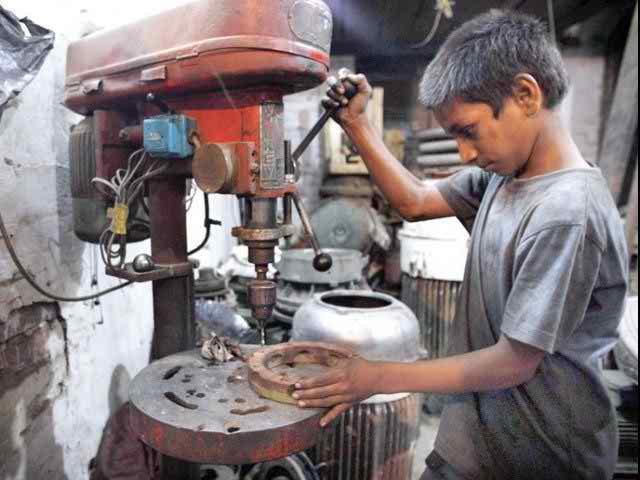
Focused on the Chittagong Metropolitan Area, this transformative project directly targeted at least 3,480 Children engaged in Hazardous Labour, ensuring their Removal, Rehabilitation, and Integration into Protective and Development-focused systems in a time-bound, systematic manner.
Project Objectives:
- Withdraw 3,480 Children aged 10–14 from Hazardous Child Labour through structured interventions.
- Provide access to Non-formal Education (NFE), Life Skills, and Psychosocial Support.
- Offer Skill Development Training Tailored to market demand and gender needs.
- Ensure reintegration through family counseling, social protection, and community engagement.
Strategic Approach:
BISAP conducted an extensive household-level baseline survey across target communities, mapping children involved in Hazardous occupations and creating a dynamic database. This was complemented by detailed “Social Mapping,” which categorized vulnerable children and their families based on occupation, location, and risk level enabling accurate targeting and localized intervention planning.
Non-Formal Education (NFE):
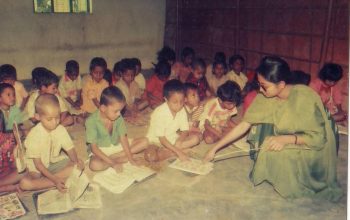
To provide meaningful Educational alternatives, 116 NFE Centers were established close to the Children’s Homes or Workplaces. Each Center served up to 30 Children per class, offering three hours of education daily over 24 months. Children received free uniforms and learning materials, while 116 Trained Teachers facilitated lessons alongside extracurricular and recreational activities. Teachers also provided Counseling to Parents and conducted regular Home visits to ensure attendance and Child well-being.
Skill Development Training:
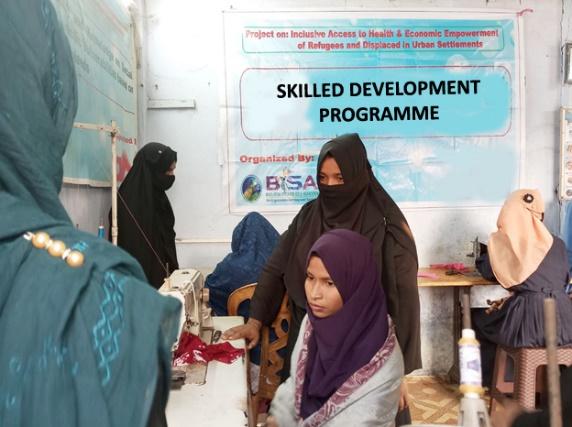
In coordination with the Department of Youth Development and other local service providers, BISAP delivered robust vocational training to both boys and girls. Training was adapted to local market opportunities and gender-specific needs, aiming to equip children with employable skills and entrepreneurship potential after graduation.
Each Training course included Trade-specific Instructors hired on a contractual basis, with duration tailored to the complexity of the trade. For example, candle-making sessions lasted 15 days, while Tailoring Training extended over 5 months.
Summary of Skill Development Training:
| Sl. No. | Training for Girls | Duration | Curriculum Highlights | Training for Boys | Duration | Curriculum Highlights |
| 01 | Beauty Parlor | 6 Months | Makeup, Hair Cutting, Hairstyling | Screen Printing | 6 Months | EHCLB-guided technical modules |
| 02 | Handicrafts (Chumki, Jori, Block work) | 6 Months | Textile embellishment skills | Saloon (Barbering) | 6 Months | Hair cutting, styling |
| 03 | Cooking / Food Processing | 6 Months | Food Hygiene, local recipes (as directed by EHCLB) | Mobile Repairing | 6 Months | Device maintenance and troubleshooting |
| 04 | Candle Making | 6 Months | Safety handling, production techniques | Electrical Wiring & Maintenance | 6 Months | Basic electrical repairs |
| 05 | Boutique, Block Print, Embroidery | 6 Months | Fabric design, stitching, screen printing | Signboard/Seal Making | 6 Months | Drawing, design, lettering |
| 06 | Tailoring / Dress Making | 6 Months | Pattern cutting, stitching | Tailoring / Dress Making | 6 Months | As directed by EHCLB |
| 07 | Homestead Gardening & Sapling Cultivation | 6 Months | Organic farming practices | Automobile Driving | 6 Months | BRTA-certified course |
| 08 | Poultry Rearing | 6 Months | Animal husbandry, feeding, disease prevention | Dairy Farming | 6 Months | As directed by EHCLB |
| 09 | Other Trades (as needed and directed by ECLB) | As Needed | Flexible, demand-based training | Other Trades (as needed) | As Needed | As directed by EHCLB |
Lasting Impact:
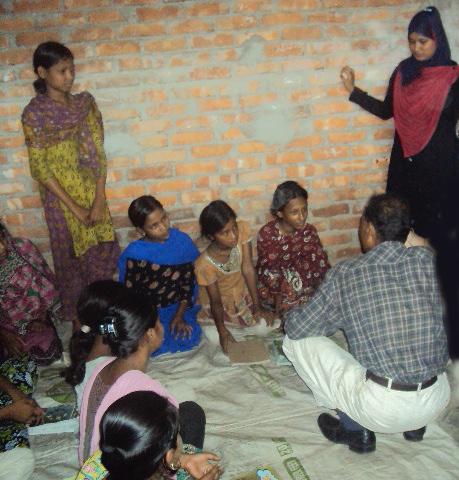
- Over 3,400 Children rescued from Hazardous work Environments.
- Strengthened Community Awareness and Responsibility in Child Labour Prevention.
- Empowered Youth with practical skills for safe livelihoods and economic self-reliance.
- Created a replicable model for tackling Child Labour through holistic, rights-based approaches.
Through this initiative, BISAP has not only removed Children from immediate harm but also paved the way for their long-term growth, protection, and empowerment—ensuring they are equipped to build brighter, safer futures.