About Us
Emergence of BISAP
BISAP (Bangladesh Integrated Social Advancement Programme) is a non-political, non-profit, secular, and non-governmental development organization established in 1989. BISAP was founded by a group of committed social workers, philanthropists, and educationists in response to the urgent needs of marginalized communities in Bangladesh. The organization addresses endemic poverty characterized by landlessness, unemployment, illiteracy, malnutrition, social inertia, and vulnerability to frequent natural disasters.
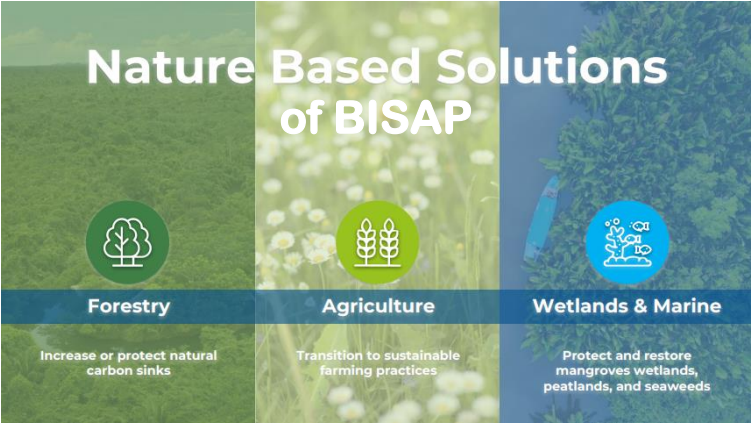
Since its inception, BISAP has been dedicated to improving the quality of life for underprivileged populations through a diverse range of programs, including Climate Justice, Environmental Protection, Community Health, Food Security, Carbon Credit Initiatives, Gender Equity, Child Protection, Capacity Building, Human Rights Advocacy, HIV/STI/AIDS Prevention, Nature-Based Solutions, and Disaster Mitigation and Preparedness.
As a national organization, BISAP is committed to serving distressed populations while advocating with government agencies and development partners for sustainable improvements in their lives. The organization takes a unique, evidence-based approach to address complex population challenges, providing innovative solutions that are both inclusive and impactful.
BISAP strives to empower communities through participatory development practices and by building their resilience against socio-economic and environmental vulnerabilities. Furthermore, the organization collaborates with stakeholders and policymakers to ensure informed decision-making and policy formulation that align with the needs of its target groups.
Over the years, BISAP has emerged as a leader in social advancement, consistently working to create a more equitable, sustainable, and resilient society.
Our Mission
To support underprivileged communities, especially women and children, empowering them to lead productive, healthy lives. Through access to essential resources, education, and skill-building, we strive to create sustainable opportunities that uplift and transform lives, fostering resilience and self-reliance in vulnerable populations
Our Vision
BISAP envisions a society free from poverty, illiteracy, exploitation, and ill health, where every individual contributes to inclusive development. We strive for a future where all people participate in progress, upholding both national and global peace, creating a harmonious, resilient, and equitable world for all.
Our Goal
Driving integrated, comprehensive community development through focused initiatives that empower marginalized groups, foster economic resilience, and promote sustainable progress for healthier, self-sufficient communities.
Legal status of BISAP
BISAP is registered with NGO Affairs Bureau, Government of Bangladesh under Foreign Donation (Voluntary Activities) Regulation Rules, 1978 having Reg. No. FD/R -659 dated 22.10.1992 and Renewed till 21/10/2027.
Implementation strategies
- A demand based program development approach where the community peoples will be the key stake holders.
- Utilization of local resources to minimize the project cost and to make the project
- Develop community based organizations (CBO) and enhance their capacity for implementing the project through partnership with the local CBO.
- Meaningful linkage of different projects with micro credit for improving the economic status of poor families.
- Recruit and enhance capacity of the staff members to develop and implement the project activities effectively to maximize the benefit for the target communities.
Working Mechanism:
- Community managed implementation approaches for health, education, life skill and capacity building program
- Right based and demand driven approaches; and evidence based documentation
- Capacity building through collaboration with GO, NGOs, CBOs and development partners
- Advocacy for ensuring rights of underprivileged population
- Ensuring professionalism at all level of development
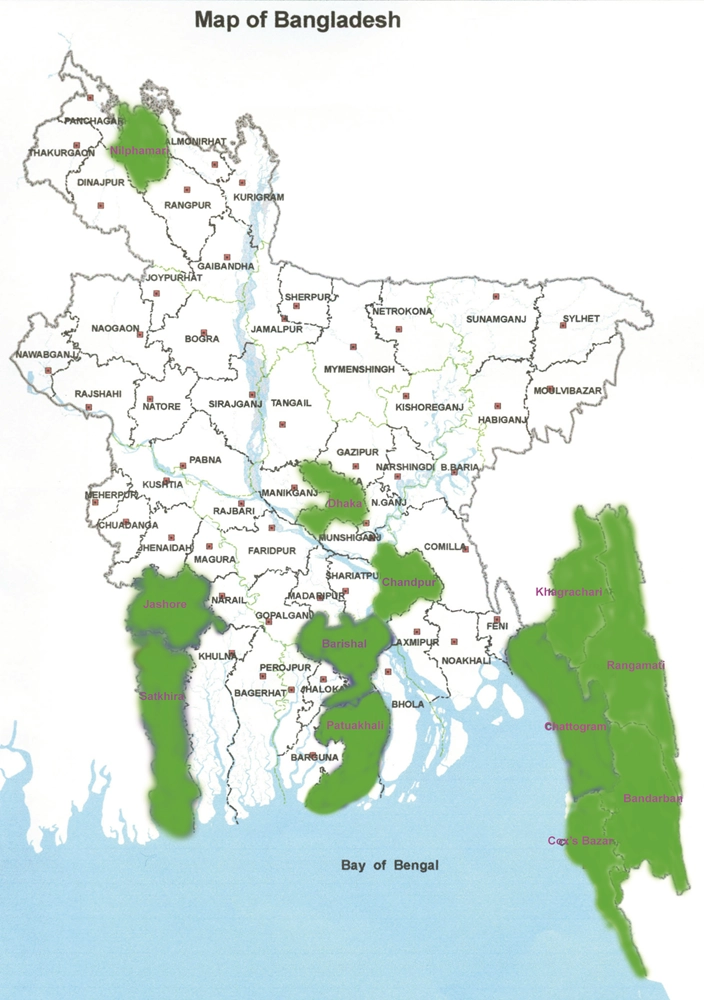
Geographical Coverage:-
- Dhaka
- Chattogram
- Cox’s Bazar
- Patuakhali
- Barishal
- Chandpur
- Rangamati
- Khagrachari
- Bandarban
- Jashore
- Satkhira
- Nilphamari
Development Philosophy of BISAP:
The development philosophy of BISAP is based on the conviction that the PARAMOUNT NEEDS OF THE PEOPLE IS NOT RELIF BUT RELEASE -the way to develop their dormant potentialities and capabilities for their personal, social, educational, economic and civic growth and development. BISAP believes that man is the center of all development initiatives, because people can change their own situation through individual or joint efforts. As such, changes have to be made in perception, belief and attitude along with transforming their latent potentialities into productive human resources for development. Hence, BISAP prioritizes people and their participation in development process.
Development Approach & Working Strategy of BISAP
BISAP believes in process oriented development approach rather than task oriented for making the Programme people oriented and leads towards sustainability. Accordingly, BISAP adopts both target group and community development approach in programme implementation. In working strategy of BISAP, it stresses on non-directive bottom-up and people’s participatory development approaches. In target group approach, BISAP first organizes the distressed and powerless people both men and women into homogeneous groups for their development. Secondly, trafficking in children and women has becomes an alarming phenomenon which is being prevented thought awaring community people.
Execution and Management:
BISAP adopts decentralized participatory management system in programme implementation. The General Body, the supreme authority of the organization consists of 32 members. A 7-member Executive Committee is elected biennially out of General Body for policymaking and programme execution. All the policies of Executive Committee are implemented by the modest programme staff headed by the Founder Chief Executive who is responsible for overall programme implementation and management. The Chief Executive is the Ex-officio member-secretary of the Executive Committee. In addition, there is a 5 Member Advisory Committee consisting of development experts who used to advise the Executive Committee from time to time to undertake appropriate policies and guidelines for significant program achievement.
Information about beneficiaries:
The number of beneficiaries of BISAP stands, approximately at 3000000 of which 1100000 are Female and 1370000 are Male 500000 are Children and 30000 Disabled.
Human Resource of BISAP:
At present, total full-time staff, strength of BISAP stands 182, where 98 are female and the rest 84 are male. Apart from it, 350 volunteers are rendering their services in programme implementation.
Line Function
Social Development
- Awareness, Mobilization and Campaign
- Support to the disable people
- Optimum use of local recourses
- Shelter
Education
- Formal
- Non-formal basic education
- Life-skill
BusinessIPromotion Venture
- Enterprise Development
- Commercial Business
- Marketing & Networking
Climat Change Adaptation through alternative Agriculture in the Vulnerable Areas of Costal Regions
- Register CCRCs with relevant government agency
- Demonstration plots
- The floating substratum is made of water hyacinth
- Make flating piles of water hyacinth
- Tree Plantation
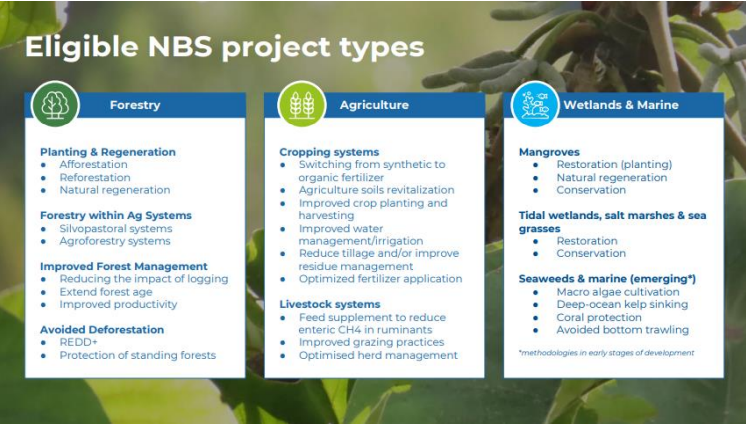
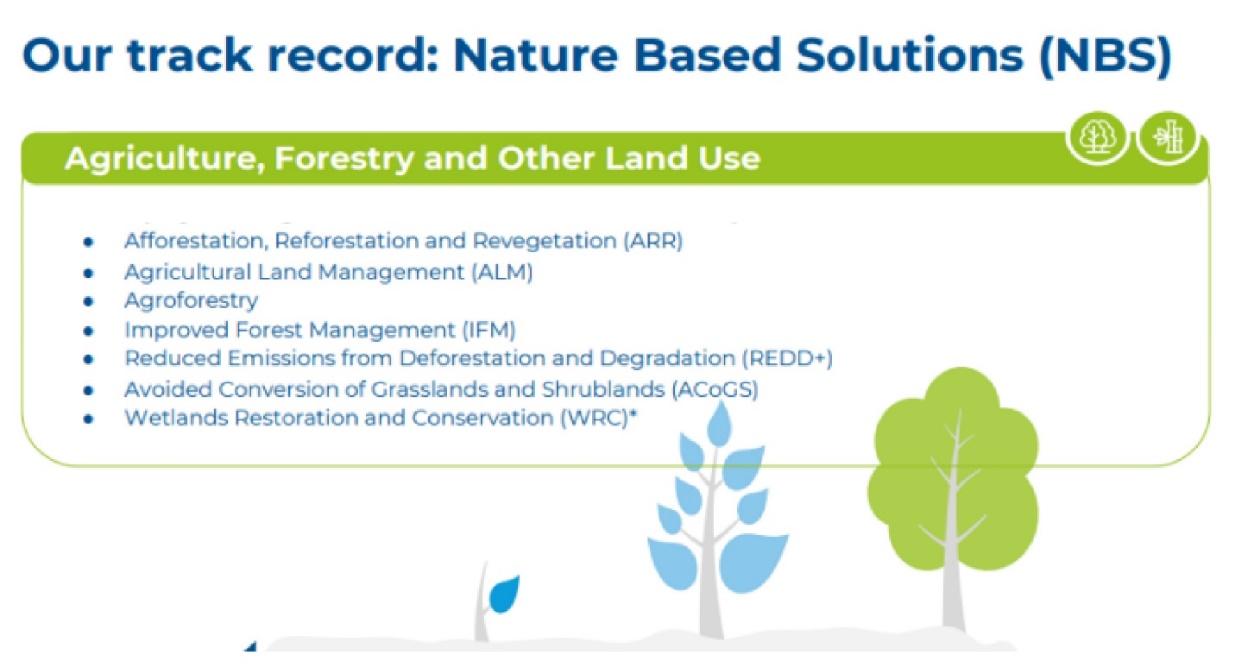
Agriculture, Forestry and Other Land Use
- Afforestation, Reforestation and Revegetation
- Agricultural Land Management
- Agroforestry
- Improved Forest Management
- Reduced Emissions from Deforestation and Degradation
- Avoided Conversion of Grasslands and Shrublands
- Wetlands Restoration and Conservation
Health
- Health & Family Planning
- Nutrition, Water & Sanitation
- Health Institution
Fisheries & Livestock
- Fish culture, Poultry & Hatchery
- Dairy & Goat rearing
- Technology Transfer
Environment & Forestry
- Nursery & Tree deposit skim
- Renewal energy
- Bio-mass plant & Forestry
- Technology Transfer
Human Rights & Gender
- Advocacy & Lobbying
- Capacity Development
- Women & Child Trafficking
- Legal Support, Dispute & Settlement
- Good governance
Disaster Management
- Preparedness
- Relief
- Rehabilitation
Training
- Human Development
- Skill development Training
- Cultural Activities
Support Function
HRD
- Personnel Management
- Recruitment & Selection
- Staff Development
- Staff Appraisal
Finance & Accounts
- Maintenance Account & Finance
- Fund Management
Administration
- General Administration & Office Management
- Vehicles, Land, Building, Furniture & Facture
- Storage & Conservation
- Procurement & Staff Accommodation
Research, Planning & Publication
- Research & Action Research
- Planning & project Formulation
- Materials Development & Publication
Communication & IT
- Internal & External Communication
- Central MIS & Intermissions Technology
- Networking & Lobbying
- Visitors, Donors & Buyers affairs
Audit, Monitoring & Evaluation
- Monitoring & Evaluation
- Audit
BISAP maintains the networking and advocacy with the following organizations:
- Coalition for an International Criminal Court (USA)
- MS Foundation for Women
- Global Network of Civil Society Organizations for Disaster Reduction (GNDR) U.K.
- Deaf Child International
- Global Health Workforce Alliance
- International Water Association
- End Violence Against Children- USA
- Consortium for Street Children- CSC U.K.
- Global Legal Empowerment Network
- Stop TB Partnership (Switzerland)
- Netzkraft Movement
- Bangladesh Childhood Cataract Campaign (BCC)
- Global knowledge Partnership.
- World Association of NGO ( WANGO)
- Water Partners International (USA)
- South Asia Network for Development and Environment Economics (SANDEE)
- Asian Decent Work Decade Knowledge Network (AP Youth Network)
- ILO Regional Office for Asia
- Inter-American Heart Foundation
- The International Network of Women Against Tobacco (INWAT)
- International Union for Health Promotion and Education (IUHPE)
- Asian Harm Reduction Network (Thailand)
- Asian People’s Alliance for Combating HIV/AIDS (APACHA) (Nepal)
- Fresh Water Action Network (FAN)
- End Water Poverty (UK)
- Mountain Forum (Nepal)
- Child Right Information Network (CRIN- UK)
- Environmental Grant makers Association (New Work)
- Impact Alliance
- Global Network of Civil Society Organizations for Disaster Reduction (GNDR)
- National Peace Corps Association
- Forum-ASIA
- National Alliance of Humanitarian Actors Bangladesh (NAHAB)
- Internet Society Foundation
- Consortium for Street Children
- NGO Platform Cox’s Bazar
- The Sasakawa Peace Foundation
Key areas of expertise
- ✔ Capacity Building
- ✔ Child rights
- ✔ Climate Change Adaptation
- ✔ Community development
- ✔ Disability
- ✔ Disaster Risk Reduction
- ✔ Education
- ✔ Entrepreneurship
- ✔ Handicrafts and Cottage Industry
- ✔ Eco Restoration & Rehabilitation of Degraded Forest Lands.
- ✔ Community based Rehabilitation of Disable people
- ✔ Mother and Child Health Care Programme
- ✔ Education for Unschooled and Drop-out Children
- ✔ Environmental issues
- ✔ Food security
- ✔ Health
- ✔ HIV/AIDS
- ✔ Human rights
- ✔ Gender Based Violence
- ✔ Hygiene/ Hygiene promotion
- ✔ Advancing Sustainable Livelihoods for vulnerable Communities
- ✔ Nutrition
- ✔ Community led Tuberculosis Prevention
- ✔ Shelter/ Housing
- ✔ Eradication of Child Labour
- ✔ Women Empowerment through Skill Development
- ✔ Development of Initiative for Indigenous Community
- ✔ Water and Sanitation (WASH)
- ✔ Prevent of Children Trafficking
- ✔ Natural Resource Management (NRM)
- ✔ Improving the economic status of poor families