
Access to Safe Drinking Water and Sanitation is a \
Fundamental Human Right, yet millions particularly Women and Children suffer from preventable Waterborne Diseases due to inadequate facilities. Refugee Camps and Urban Slums face Extreme Deprivation, with Overcrowding, Poor Sanitation, and Limited Access to Clean Water Exacerbating Health Crises.
With the generous support of Japan Water Forum, BISAP implemented a transformative one-year project (2002–2003) to Improve Water, Sanitation, and Hygiene (WASH) conditions for 32,700 marginalized individuals across Refugee Camps and Urban Settlements. Through infrastructure Repairs, Mobile Water Distribution, and Mass Awareness Campaigns, the project significantly enhanced Health outcomes and Empowered Communities with sustainable solutions.
2. Project Objectives & Achievements
| Objective | Key Achievements | Impact |
| Repair 10 Community Latrines | 10 Dilapidated Latrines fully restored | 12,000+ beneficiaries gained access to Hygienic Sanitation |
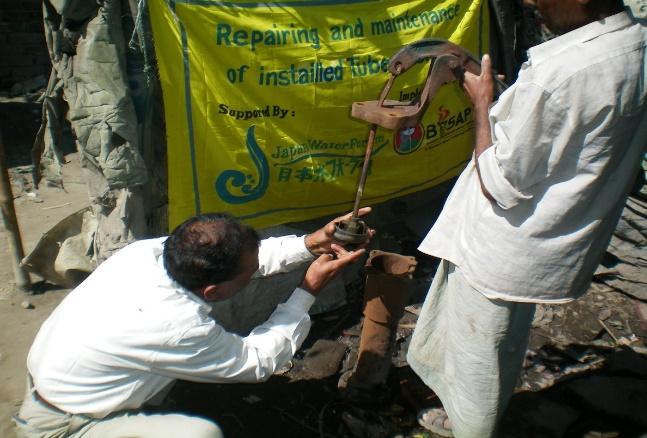
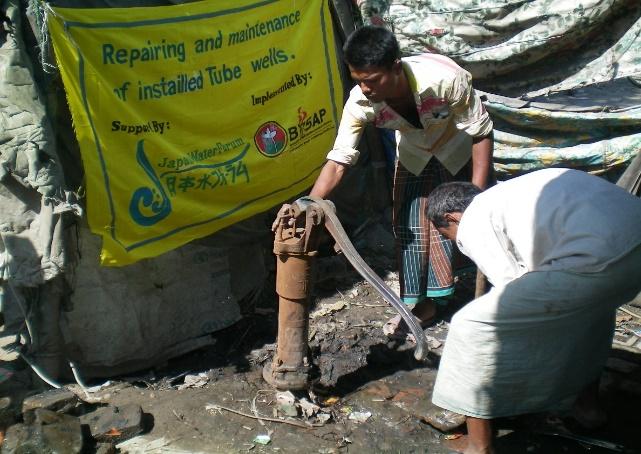
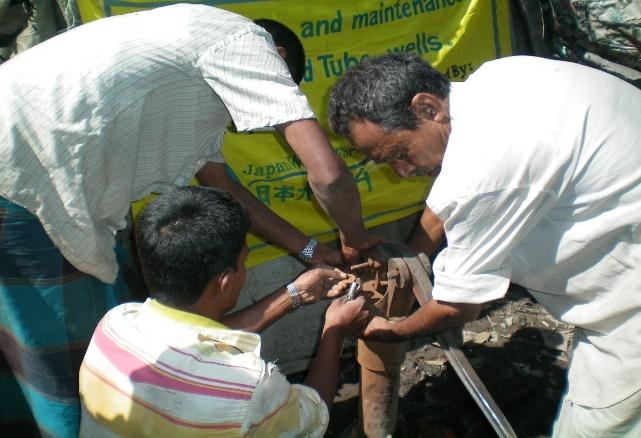
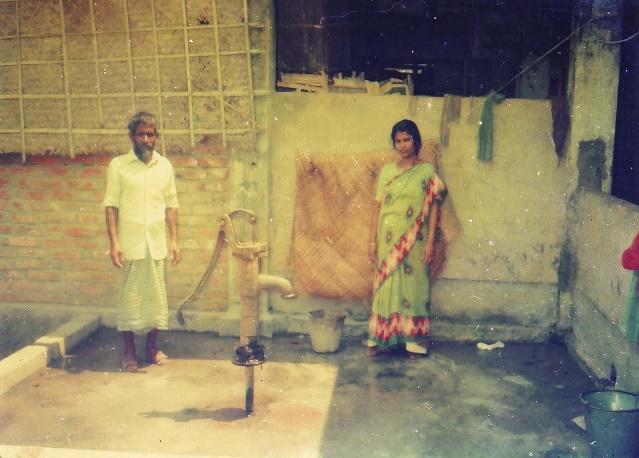
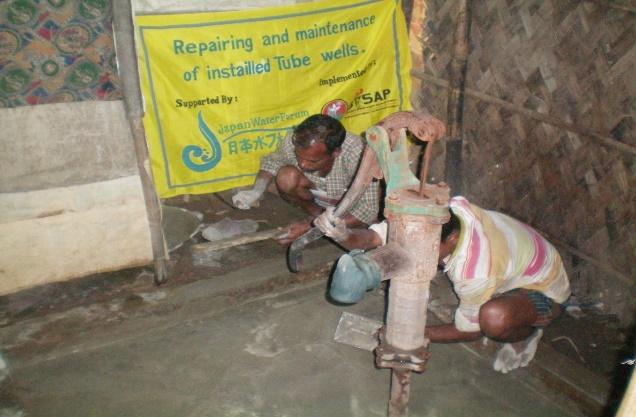
| Repair 10 Tube wells | 10 Non-Functional Tube wells rehabilitated | 4,500+ people now access Safe Drinking Water Daily |
| Hygiene Awareness Campaigns | 500 Posters & 500 Leaflets distributed | 12,000+ individuals Educated on Sanitation & Hygiene |
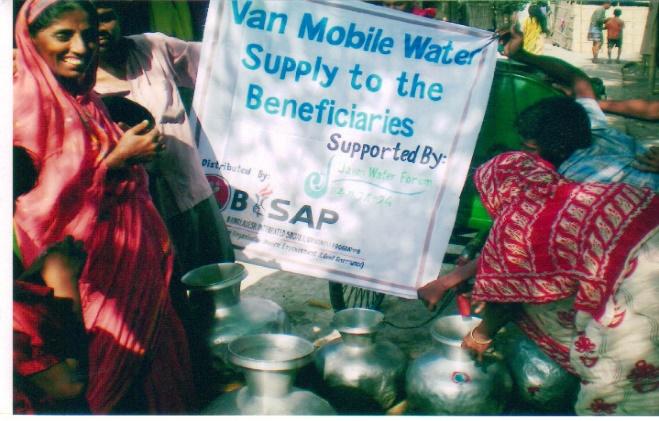
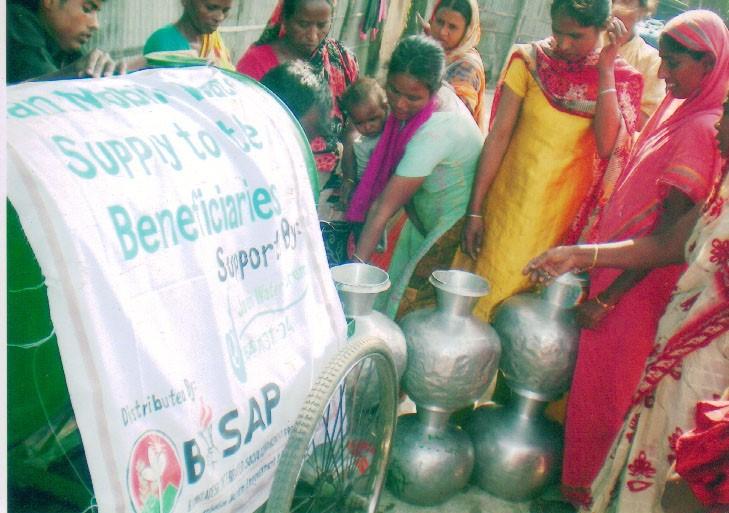
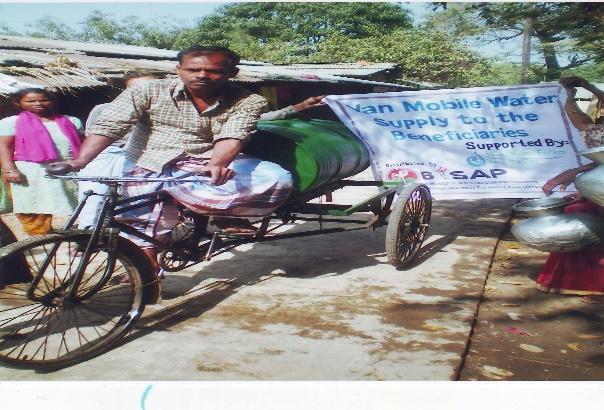
| Emergency Water Supply | 2,500 Liters delivered via Mobile Van | 5,200+ residents received Safe Drinking Water during shortages |
| Knowledge, Attitudes, and Practices (KAP) study | Community behaviors Assessed | Data-driven insights for future Interventions |
| Community Engagement | Group Meetings & participatory workshops | Strengthened Local Ownership of WASH facilities |
3. Innovative Methodologies & Stakeholder Engagement
- Participatory Development Approach: Beneficiaries actively contributed to repairs, ensuring sustainability.
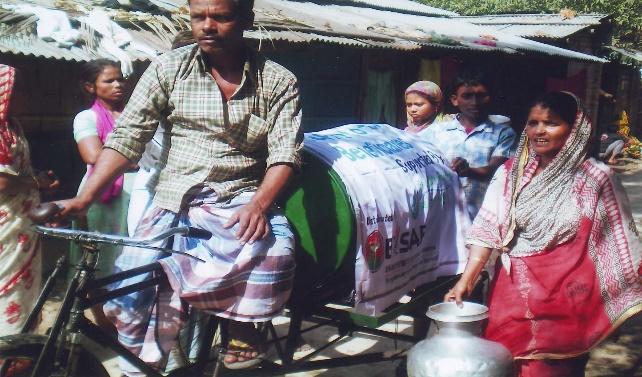
- Mobile Water Van: Emergency supply reached 3 Refugee Camps & 2 Urban Settlements, preventing Dehydration and Disease.
- Behavior Change Communication (BCC): Posters/Leaflets used culturally resonant messaging to promote Hygiene.
- Rigorous Monitoring: BISAP’s Executive Committee & Team Members oversaw progress, ensuring accountability.
4. Direct Beneficiaries
- 12,000+ Gained Improved Sanitation via Latrine Repairs.
- 5,200+ Accessed Emergency Water through Mobile Distribution.
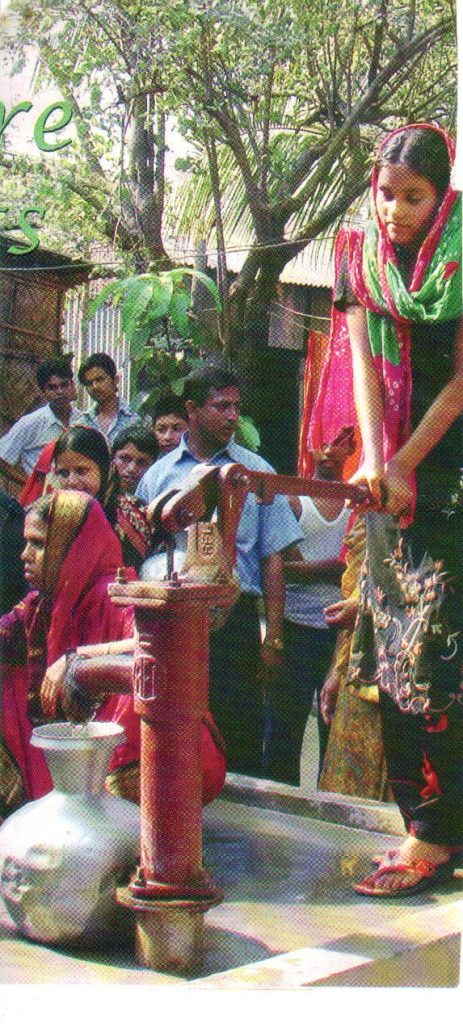
- 4,500+ Secured sustainable Water via Tube well rehabilitation.
- 12,000+ Educated on Hygiene, Reducing Preventable Illnesses.
Total Direct Beneficiaries: 32,700
5. Long-Term Outcomes & Sustainability
✅ Reduced Mortality: Fewer Waterborne Diseases among Women and Children.
✅ Behavioral Change: Communities now prioritize Sanitation Maintenance.
✅ Infrastructure Resilience: Repaired facilities serve as long-term Assets.
✅ Model for Replication: Scalable framework for future WASH initiatives.
6. Gratitude & Future Collaboration
BISAP and the 32,700 beneficiaries extend deepest appreciation to Japan Water Forum for its visionary support. This project has not only saved lives but also restored dignity to neglected populations. This partnership paved the way to expand WASH access across vulnerable communities.
“Water is life. Your generosity has given ours a future.”