
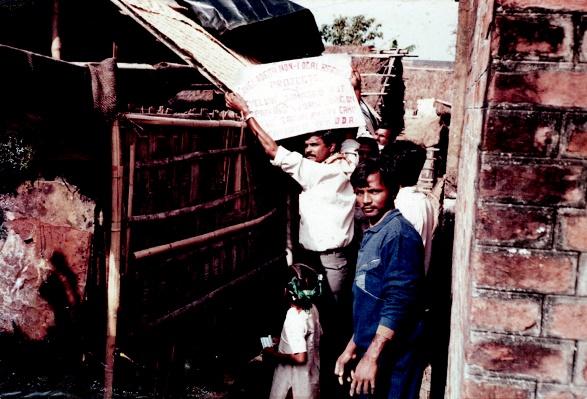
On April 30, 1991, the southeastern coastal region of Bangladesh witnessed one of the most catastrophic natural disasters in the country’s history. A super cyclonic storm, with wind speeds exceeding 235 kilometers per hour (145 mph), made landfall near the Port City of Chittagong in the early morning hours. Accompanied by a massive storm surge that rose more than 6 meters (20 feet) above sea level, the cyclone wreaked unparalleled devastation across vast stretches of the coastal belt, including Chittagong, Cox’s Bazar, and the offshore islands. The sheer force of the storm and the accompanying tidal surge obliterated entire communities, leaving a trail of destruction in its wake.
This 1991 cyclone remains one of the deadliest in modern history. More than 138,000 people lost their lives, and hundreds of thousands sustained serious injuries. In addition to the immense human toll, millions were displaced from their homes, and critical infrastructure roads, bridges, schools, hospitals, power and communication networks was completely or partially destroyed. The cyclone also decimated the region’s economic foundation by wiping out crops, destroying livestock, and damaging fishing equipment, boats, and coastal embankments.

The Chittagong Division, being directly in the path of the cyclone’s landfall, bore the brunt of the disaster. Vulnerable low-lying coastal areas were submerged under the storm surge, washing away homes, family belongings, and lives. The tragedy exposed severe gaps in the disaster preparedness and response systems existing at that time. Communication breakdowns, limited cyclone shelters, and insufficient early warning mechanisms contributed to the scale of the disaster.
The cyclone’s impact was felt across every sector of life. In many areas, more than 70% of the homes were either completely destroyed or rendered uninhabitable. Families who had lost everything were forced to seek shelter in open spaces, under makeshift tents, or in overcrowded cyclone shelters. With the region’s sanitation infrastructure in ruins, the risk of waterborne diseases such as cholera and dysentery loomed large, especially among children and the elderly.
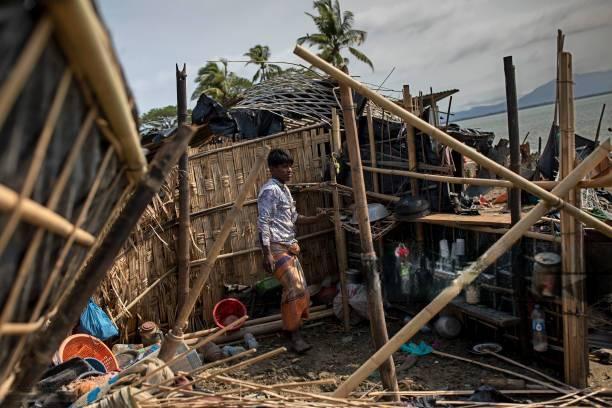
The sudden lack of safe drinking water and food created a public health emergency. Agricultural lands were inundated with saltwater, making them temporarily unproductive. Livestock, a primary source of food and income for many families, perished in large numbers. Local markets, shops, and sources of employment were shut down or destroyed, further aggravating the crisis.
Amid this overwhelming destruction, communities were gripped by grief, uncertainty, and a sense of helplessness. Rebuilding efforts required not just physical infrastructure but also emotional and psychological support to restore a sense of normalcy.
BISAP’s Emergency Rehabilitation Programme
To address these urgent needs, BISAP launched its Emergency Programme for Post-Cyclone Rehabilitation in the most severely affected areas of Chittagong coastal region. The programme aimed to ensure immediate relief while setting the foundation for long-term recovery and resilience.
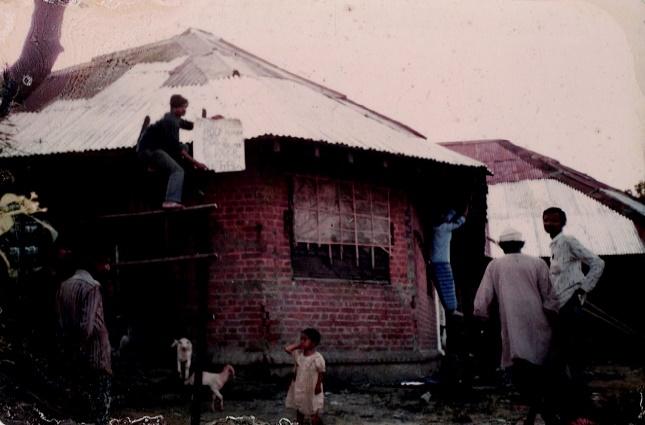
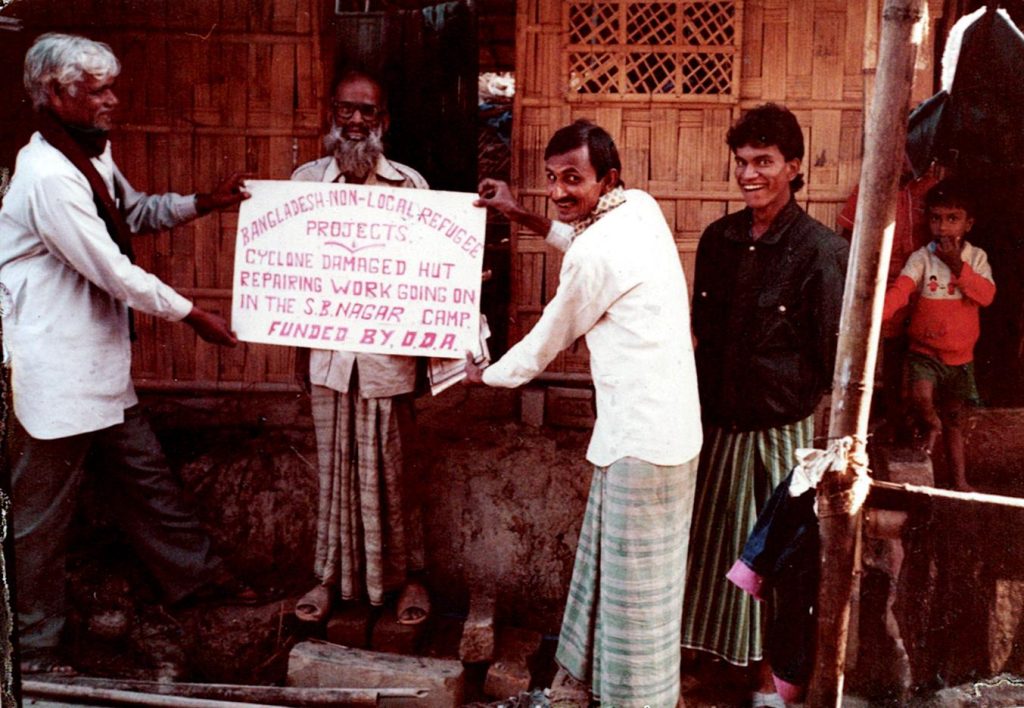
In the aftermath of the Cyclone, the Bangladesh Integrated Social Advancement Programme (BISAP) initiated a wide-ranging Emergency Relief and Rehabilitation initiative to support the affected communities in the Chittagong coastal region. Recognizing the urgent needs of survivors and the immense scale of destruction, BISAP mobilized resources and implemented several critical interventions aimed at immediate relief, restoration of basic services, and the rebuilding of lives and livelihoods.
Key components of BISAP’s response included:
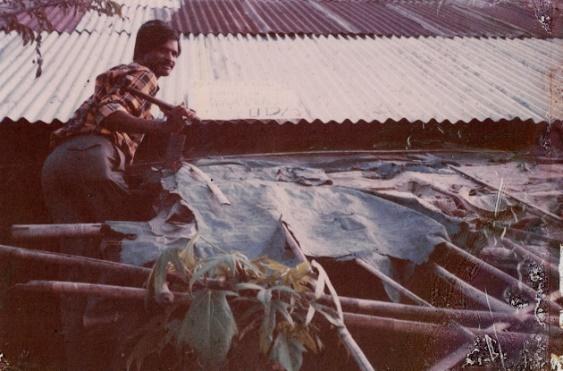
- Shelter Reconstruction: Recognizing that shelter is one of the most fundamental human needs after a disaster, BISAP prioritized the repair and rebuilding of damaged homes. A total of 2,000 cyclone-damaged houses were repaired, ensuring that thousands of vulnerable individuals especially women, children, and the elderly could return to safe living conditions.
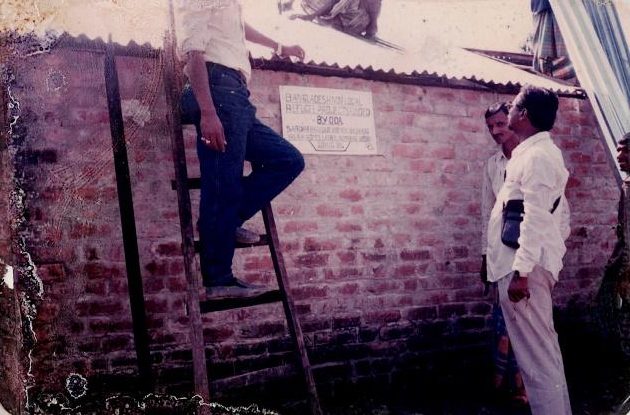
- Water, Sanitation, and Hygiene (WASH): To combat the outbreak of disease and restore dignity to affected families, BISAP installed 1,000 pit latrines and installed 300 Tube wells. These interventions provided access to clean drinking water and improved sanitation facilities, crucial for safeguarding public health and promoting hygiene in the wake of the disaster.
- Food and Clothing Distribution: BISAP provided emergency food aid and clothing to 5,000 Cyclone-affected families. Food packages typically included rice, lentils, oil, salt, and dry goods, offering immediate nourishment during a period of acute food insecurity. Distribution of clothing, including saris, lungis, children’s garments, and blankets, helped restore a basic sense of comfort and dignity to those who had lost all their possessions.

- Community Mobilization and Psychosocial Support: Alongside physical rebuilding, BISAP mobilized community groups and local volunteers to provide emotional and psychosocial support to survivors. Community meetings, youth engagement activities, and support groups were facilitated to help individuals cope with trauma and begin the healing process.
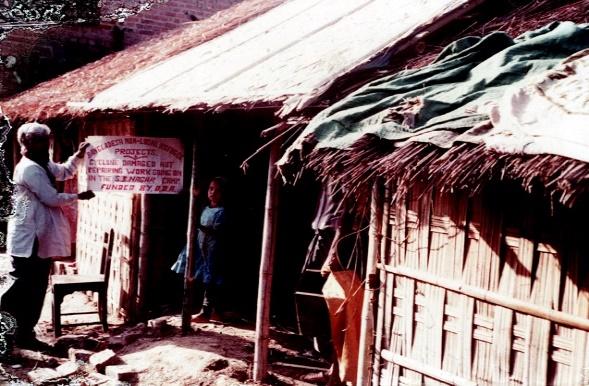
- Coordination with Local Authorities and Partners: BISAP worked in close coordination with local government bodies, Chittagong City Corporation, other non-governmental organizations, and international donors to ensure that resources were utilized efficiently and interventions were harmonized. This collaborative approach minimized duplication of efforts and maximized the reach and impact of the rehabilitation efforts.
Impact and Lessons Learned
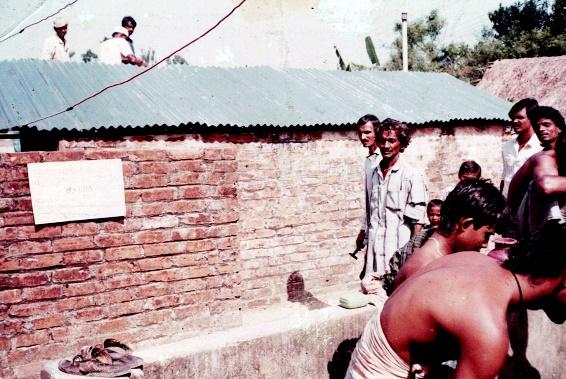
The emergency rehabilitation programme made a significant difference in restoring a degree of normalcy to the lives of thousands of cyclone survivors. The repaired homes, restored water points, improved sanitation, and provision of food and clothing allowed affected families to regain stability and begin the slow but steady process of rebuilding their lives.
As the country continues to face climate-induced threats, the experience of the 1991 cyclone must inform policies, planning, and investments aimed at building safer and more disaster-resilient communities. The memory of the victims serves as both a tribute and a call to action to ensure that such a tragedy never claims as many lives again.