
# **From Termination to Transformation: Rebuilding Garment Workers’ Futures**
## **Executive Snapshot**
✅ **39,375 workers empowered** (80% women)
✅ **5,625 youth skilled** for industry entry
✅ **180 factory dialogues** driving systemic change
✅ **15 workplace policies** reformed
**Funded by:** European Union | **Implemented by:** BISAP
Bangladesh’s Ready-Made Garment (RMG) sector has grown exponentially over the past few decades, playing a critical role in the country’s economic development. Chittagong, the second largest metropolitan city and home to the country’s largest seaport, has been at the forefront of this transformation. As the city where the first Garment Factory was established, Chittagong has experienced steady industrial growth, with a significant increase in employment opportunities and exports. However, this growth has often come at the expense of worker welfare and rights.

The RMG sector in Chittagong, while economically vibrant, has faced long-standing challenges concerning labor rights, skill shortages, poor working conditions, and gender-based disparities. Workers are often dismissed or sacked due to a lack of skills, with minimal opportunity for retraining or reemployment. This problem is exacerbated for women, who constitute the majority of the workforce in the Garment Factory. They are frequently the most vulnerable to socio-economic challenges, face gender-based discrimination, and are often paid significantly less due to the absence of formal training or educational qualifications.
Given this situation, BISAP initiated the Capacity and Working Environment Enhancement Programme to address these critical gaps. The project is designed to empower Garment Workers especially women by enhancing their skills and capacities, while simultaneously engaging Garment Factory Authorities to improve the overall working environment.
Target Beneficiaries:
The project targets two primary groups:
- Primary Beneficiaries:
- Unemployed Youth aspiring to join the Garment Factory
- Garment workers who have been sacked or fired due to inadequate Skills or Capacity
- Among these, women form the majority, as they are particularly affected by socio-economic inequalities and discriminatory practices in the workplace.
Secondary Beneficiaries:
- Garment Factory Authorities, including Management and Supervisory Staff, who play a pivotal role in shaping working conditions, workplace culture, and employment practices.
The inclusion of both workers and employers ensures a comprehensive and sustainable approach to improving labor conditions and employment practices in the sector.
Objectives of the Project:
- Overall Objective:
To create a more inclusive, equitable, and worker-friendly environment in the Garment Sector of Chittagong Metropolitan City, contributing to the sustainable development of both workers and the industry at large.
- Specific Objectives:
To increase employment opportunities for unskilled and previously terminated workers by enhancing their technical and soft skills
- To provide vocational and on-the-job training to unemployed youth to help them enter the Garment Factory
- To reduce gender disparities and discrimination through awareness-raising on women’s rights, child rights, and reproductive health
- To engage Garment Authorities in improving workplace practices, including safety, hygiene, working hours, and gender sensitivity
- To foster Dialogue and Collaboration between Garment workers and employers to co-create solutions for workplace challenges
Key Achievements and Outputs:
During the implementation phase, the project achieved significant results across multiple dimensions:
- Capacity Building and Training:
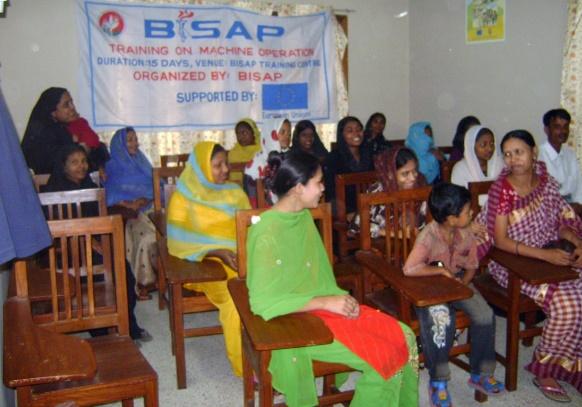
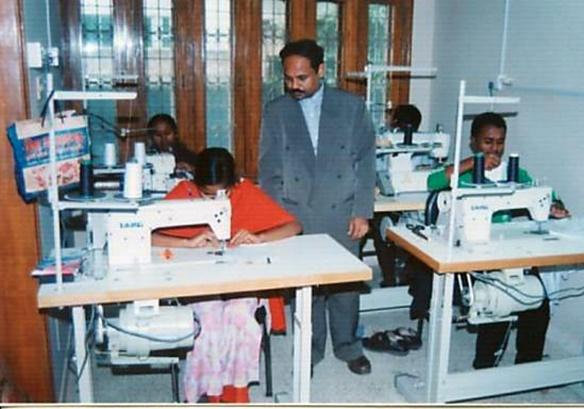
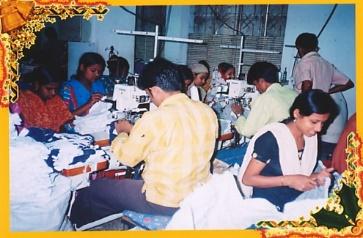
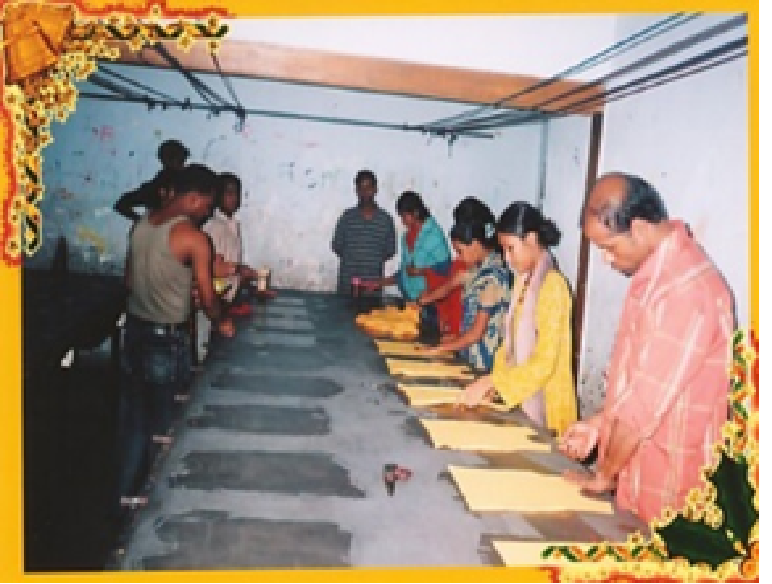
- A total of 5,625 unemployed youth were provided with skill development training in various aspects of Garment work including cutting, sewing, quality control, finishing, and workplace communication.
- 33,750 sacked or fired Garment Workers, many of whom lacked the necessary qualifications or technical skills, were re-skilled through customized training programs aimed at reintegration into the industry. Approximately 60% of these trainees were women, reflecting the project’s gender-sensitive approach.
- Workshops and Dialogue:
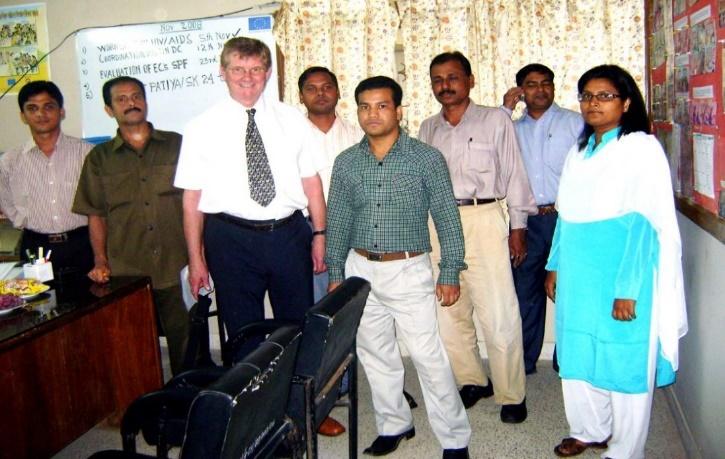
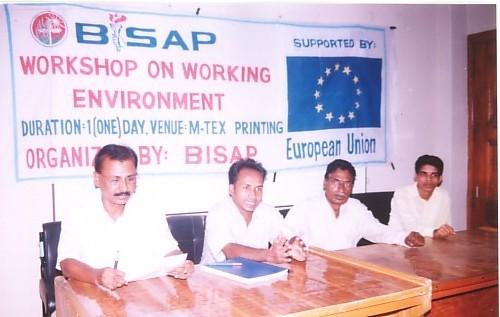
- The project facilitated a series of interactive workshops and dialogue sessions that involved 180 Garment Factories Authorities and workers. These engagements covered essential topics such as:
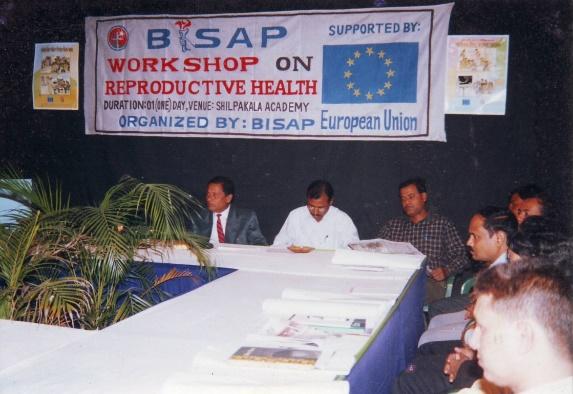
- Reproductive health rights in the workplace
- Gender-based violence and harassment prevention
- Child labor laws and child rights
- Safe and Hygienic Working Environments
- Standard working hours and fair compensation practices
- Equal employment opportunity and non-discrimination policies
- The project facilitated a series of interactive workshops and dialogue sessions that involved 180 Garment Factories Authorities and workers. These engagements covered essential topics such as:
- Employer Engagement and Policy Advocacy:
- BISAP worked closely with Garment Factory Owners, production managers, and HR Departments to encourage more inclusive employment policies and better occupational health and safety standards.
- The project encouraged factory management to recognize the importance of retaining skilled and trained workers rather than terminating them due to skill gaps, and to invest in regular in-service training instead.
Rationale and Problem Analysis:
The Garment Factories in Chittagong has historically prioritized profit and production over employee welfare and capacity development. With increasing global demand and competition, many factories have adopted a hire-and-fire approach, quickly replacing unskilled workers without investing in long-term workforce development.
This has led to a high turnover rate, increased labor unrest, and persistent gender-based disparities. Female workers, who often have the least bargaining power, suffer the most from poor working conditions, harassment, lack of maternity benefits, and limited access to reproductive health services. Many are dismissed without cause, or are unable to retain their jobs due to the absence of skill certification or formal education.
At the same time, a significant number of unemployed youth in Chittagong remain unable to access job opportunities due to lack of unskilled. Without proactive measures to up skill and integrate these youth into the labor market, both economic and social vulnerabilities will continue to rise.
Project Implementation Strategy:
To address these challenges, the project adopted a two-pronged strategy focusing on Eorker Empowerment and Employer Engagement:
- Worker Empowerment:
- Conducted thorough needs assessments to identify skill gaps and training requirements
- Delivered gender-sensitive and inclusive training modules tailored to the needs of women and disadvantaged youth
- Provided career counseling and job placement support in partnership with local factories
- Facilitated peer learning and mentoring support for female workers
- Ensured post-training follow-up and monitoring to track reintegration outcomes
- Employer Engagement:
- Organized focused group discussions with Factory Managers and Industry Leaders
- Advocated for worker-friendly policies through evidence-based dialogues and policy briefs
- Supported the development of workplace codes of conduct, grievance redressal mechanisms, and compliance standards aligned with national labor laws
- Promoted the idea of a “responsible business model” that links productivity with worker well-being and satisfaction
Sustainability and Long-Term Impact:
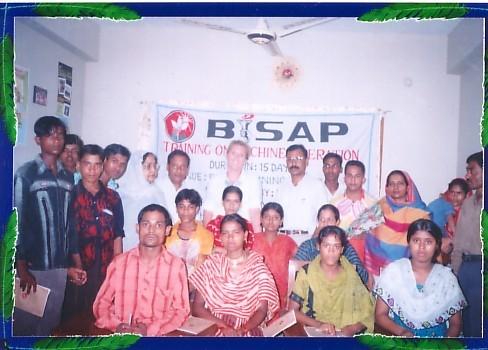
One of the distinguishing features of the project is its strong emphasis on sustainability. By equipping workers with lifelong skills and engaging employers in systemic improvements, the project aims to establish a long-lasting impact on the Garment Sector in Chittagong.
Key sustainability measures include:
- Establishing community-based training hubs that can continue to deliver skill development services beyond the project period
- Building institutional partnerships with vocational training institutes and local NGOs
- Supporting the formation of worker support groups and women’s leadership circles within factories
- Advocating for policy-level changes that mandate training and up skilling as part of regular employment practices in the RMG sector
The Capacity and Working Environment Enhancement Programme implemented by BISAP in Chittagong Metropolitan City represents a holistic and practical approach to some of the most pressing issues in Bangladesh’s Garment Factory. By focusing on the capacity development of unskilled and terminated workers especially women and working in collaboration with Garment Authorities, the project creates pathways for economic inclusion, improved labor practices, and a healthier industrial ecosystem.
This initiative not only addresses immediate employment needs but also tackles root causes of inequality, unsafe working environments, and the systemic marginalization of women in the workforce. It paves the way for a Garment Sector that is not just economically vibrant, but also socially responsible, inclusive, and sustainable.
Through this comprehensive model, BISAP aims to inspire broader sectoral change and contribute to national and global labor Development Goals in alignment with the Sustainable Development Goals (SDGs), particularly SDG 5 (Gender Equality), SDG 8 (Decent Work and Economic Growth), and SDG 10 (Reduced Inequalities).